
Wrapped in Food - Zwischen Küche, Abfall und Kleiderschrank
8 - 14 years MK&G Freiraum Steintorplatz 20099, Hamburg Platz BuchenIn household waste, food packaging accounts for the largest share. On the other hand, the fashion industry is one of the most resource-intensive industries in the world. Can we create new resources from food packaging?
Can plastic cups, potato chip bags, orange peels, or potato nets be turned into new garments?
We are exploring new possibilities within a creative design studio project, in which we design and create new clothing items using collected food packaging. We use art, slow fashion design, and photography, moving between food and fashion—between the kitchen and the wardrobe—to reduce resources and waste and find new ways to use them.
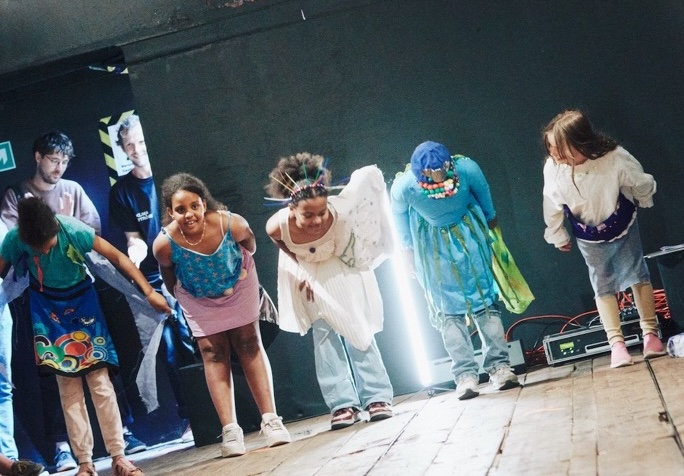
During the festival weekend (July 25–26), you’ll showcase your latest sustainable fashion trends and creations on a floating stage!
In cooperation with Stadtreinigung Hamburg:
What on earth will become of you?! – Dealing with waste is complex. If waste cannot be avoided, how can we put it to good use? At the Georgswerder Energy Mountain, a former landfill site, we’re exploring the circular economy and sustainability together.
Note: On Monday, July 20, we’ll meet at the Veddel S-Bus station at 9:30 a.m. and travel together to Energieberg Georgswerder for our field trip. From July 21–24, we’ll meet at the Freiraum space in the Museum für Kunst und Gewerbe Hamburg (MK&G).
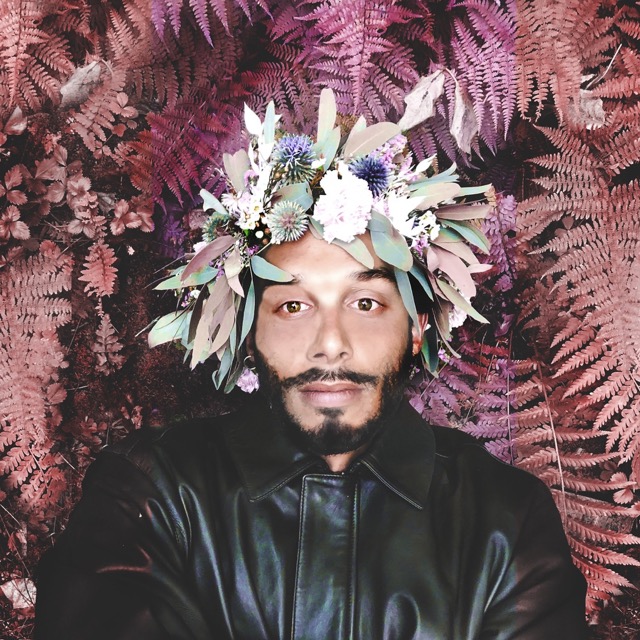
Julien Fleurance he/him
Known by the stage name lafleur, works at the intersection of visual art, music, and performance. In his projects, he explores memory, stories of migration, and the traces of colonial history. In addition to exhibitions and performances, he is also developing a musical project that combines traditional sounds from La Réunion with slam and hip-hop. His work has been shown internationally, including in France, Morocco, the United Kingdom, and Germany.
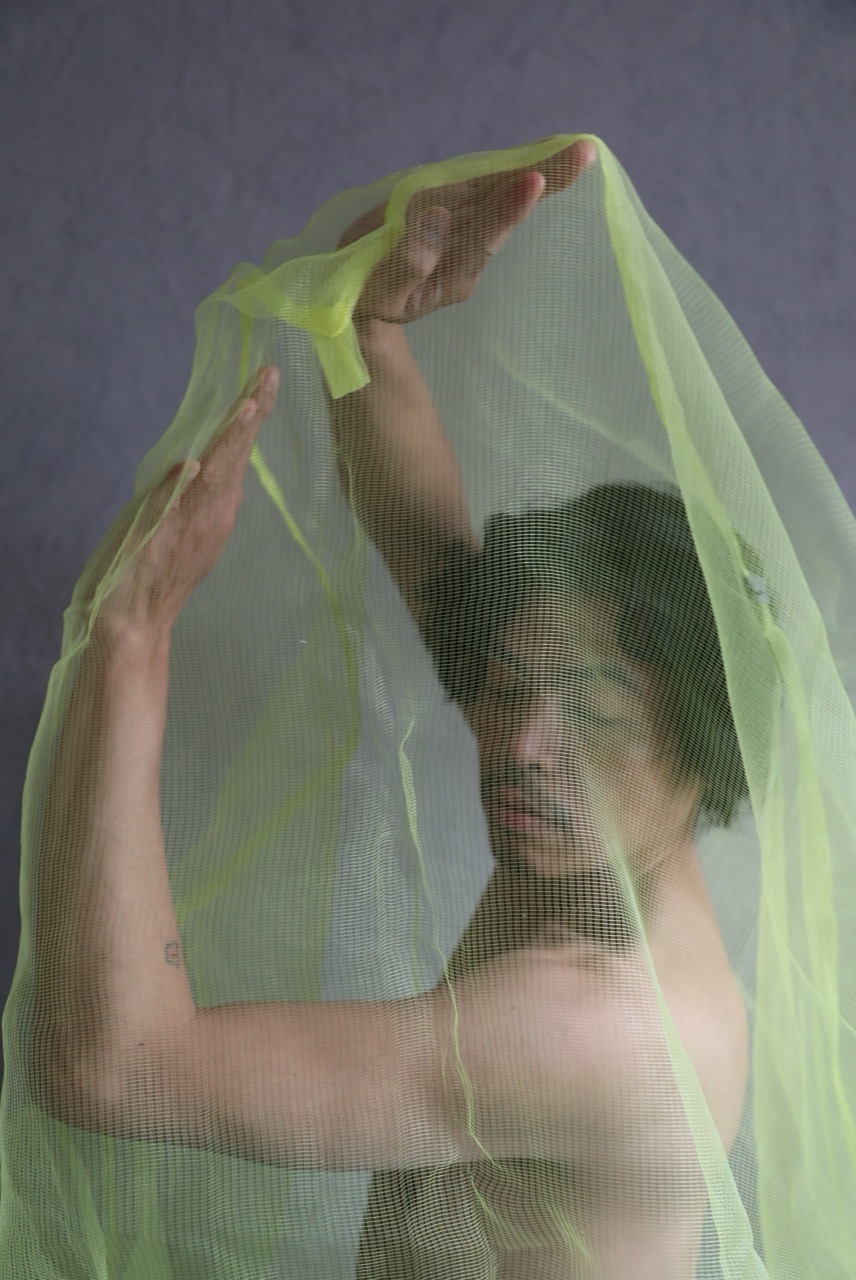
Pepe Dayaw no pronouns
Pepe Dayaw (no pronouns) is a storytelling artist, fashion maker and author whose interdisciplinary practice spans performance, textile art and creative ecology. Shaped by over two decades of trans-migratory experiences across dance theatre, cooking as performance, costume, scenography and movement research, they create works that blur the boundaries between art and everyday life. Since moving to Europe in 2010, Dayaw has initiated projects including Nowhere Kitchen and Sari-Sari, exploring migration, ritual, community and the poetics of leftovers. As a self-taught textile artist and couturier, they draw on migrant autoethnography, reimagining contemporary fashion while honouring their tropical island heritage.
Stadtreinigung Hamburg: Energieberg Georgswerder
More than almost any other place in Hamburg, the Energieberg symbolizes the shift in how we handle waste, resources, and responsibility: In the exhibition “Waste in Transition,” children and teens embark on an exciting journey through the history of the former hazardous waste landfill and learn what waste sorting and the circular economy mean today — with Fine Dhakal (she/her) and Anne Berkmüller (she/her).