
Schwimmender Garten der Zukunft
8 - 14 years Honigfabrik Industriestraße 125-131, 21107 Hamburg Platz BuchenHow will we harvest in the future? Where will our food grow when sea levels rise and urban space becomes scarcer? Floating gardens are not a new invention. In Bangladesh, growing food on water is centuries-old knowledge. Today, this knowledge is becoming an answer to the climate crisis.
In the heart of Wilhelmsburg, a magical space on the water is taking shape: The Floating Garden of the Future.
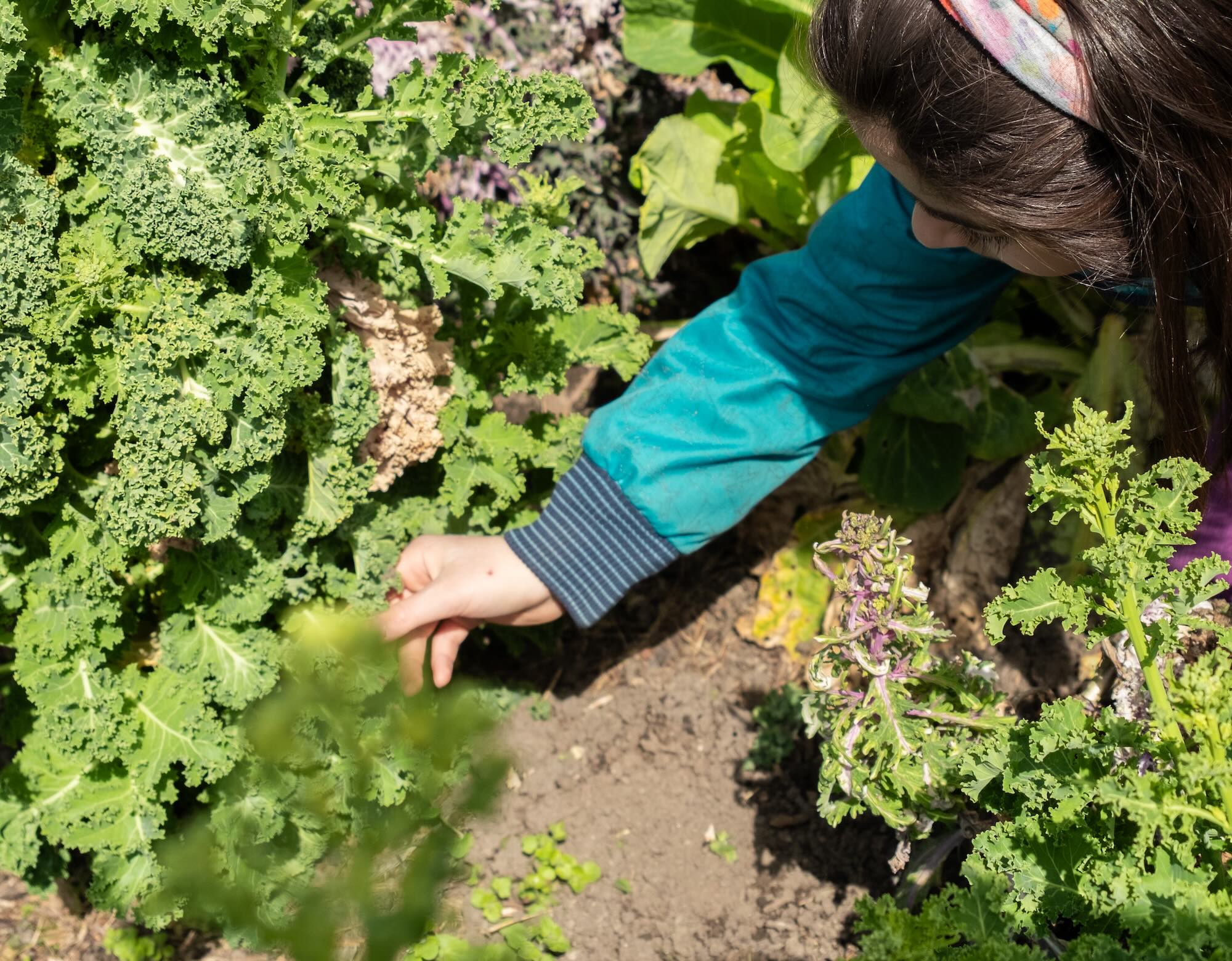
Here, with nature as our teacher, we explore these questions in a playful and experimental way. Every day we discover the Floating Garden and the surrounding forest, gather fresh herbs, harvest vegetables and cook together meals that nourish and strengthen us and our community. We discover how permaculture and new forms of cultivation can feed the cities of tomorrow — and how cooking together builds community and a sense of belonging.
An adventure for everyone who wants to get their hands in the soil, learn from nature and shape the future of food themselves!
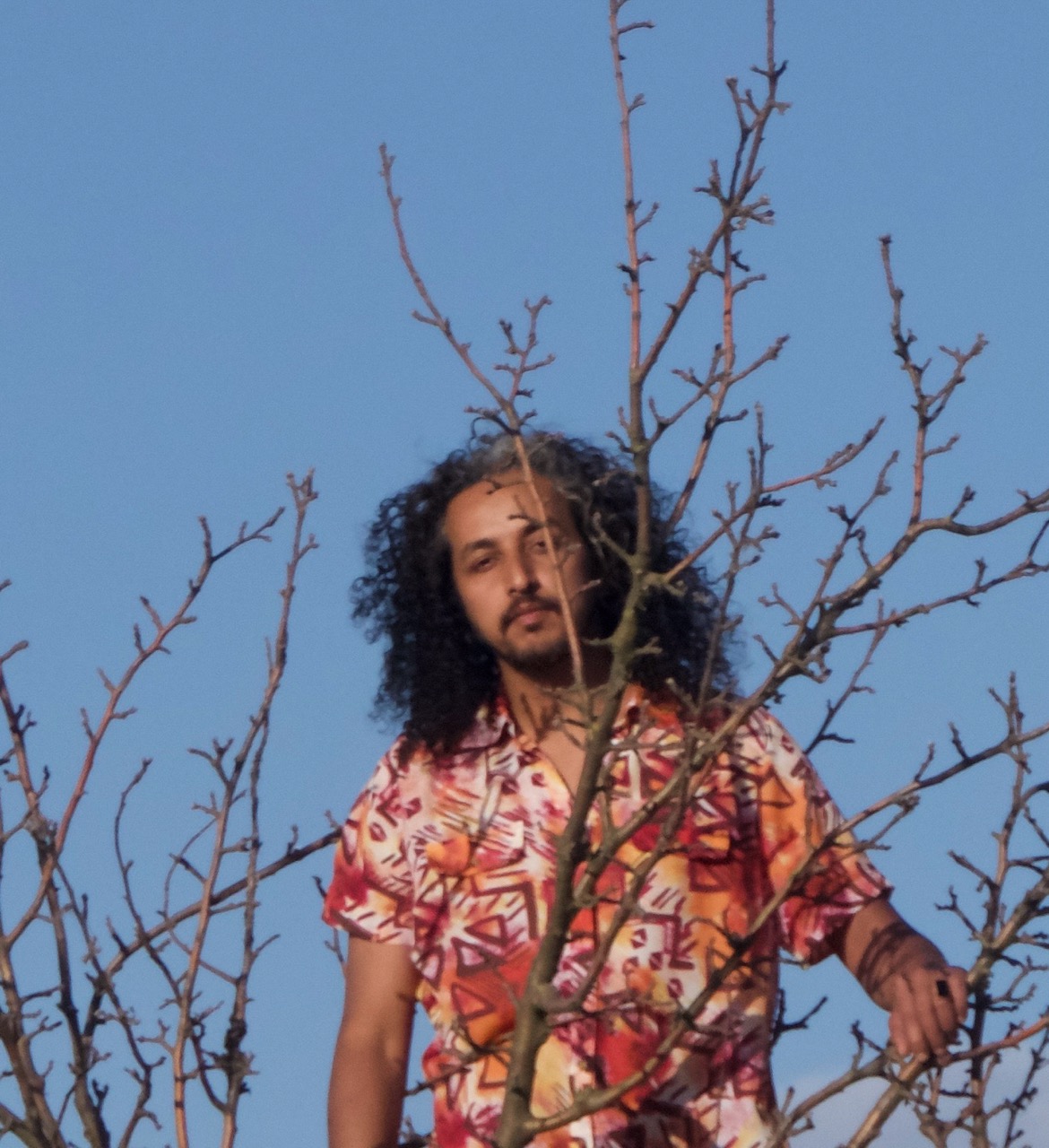
Salah Zater er/ihm
Performance artist and dancer and the founder of Zater's Community Kitchen .
His work blends performance, public intervention, and activism, tackling profound social and political issues while exploring the connection between people, their environment, and food.His performances and community projects are interactive and thought-provoking, inviting audiences to confront uncomfortable truths about power, privilege, and societal structures, and inspiring collective action toward a fairer world. Through his art and culinary initiatives, Salah amplifies marginalized voices and fosters a deeper understanding of social equity and communal well-being.
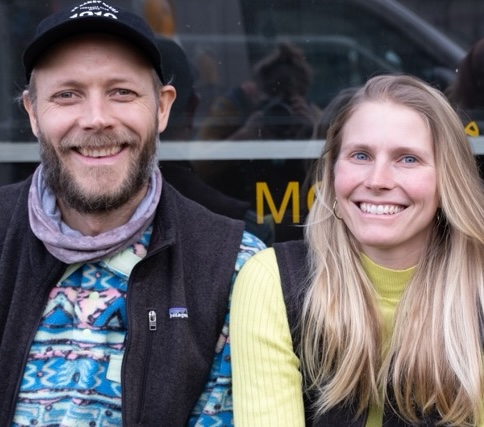
Ackerperlen e.V.
Mona Hegmann (she/her), a biologist by training, and Piet Möller (he/him), a trained chef, are self-taught permaculturists and the founders of Ackerperlen e.V. This nonprofit organization is a learning and community space for environmental education with its own garden in Hamburg-Spadenland—for children, teens, and adults.
Inspired by the permaculture principles of “earth care” and “people care,” they share a common conviction: Plants, animals, and fungi are not merely objects of our research—but teachers who were here long before us. Based on this perspective, they design educational programs that don’t just impart knowledge but foster connections: Through their workshops and mobile programs in schools and other institutions, they help participants experience ecological interdependencies firsthand, build self-efficacy, and demonstrate what sustainable actions can look like in everyday life.